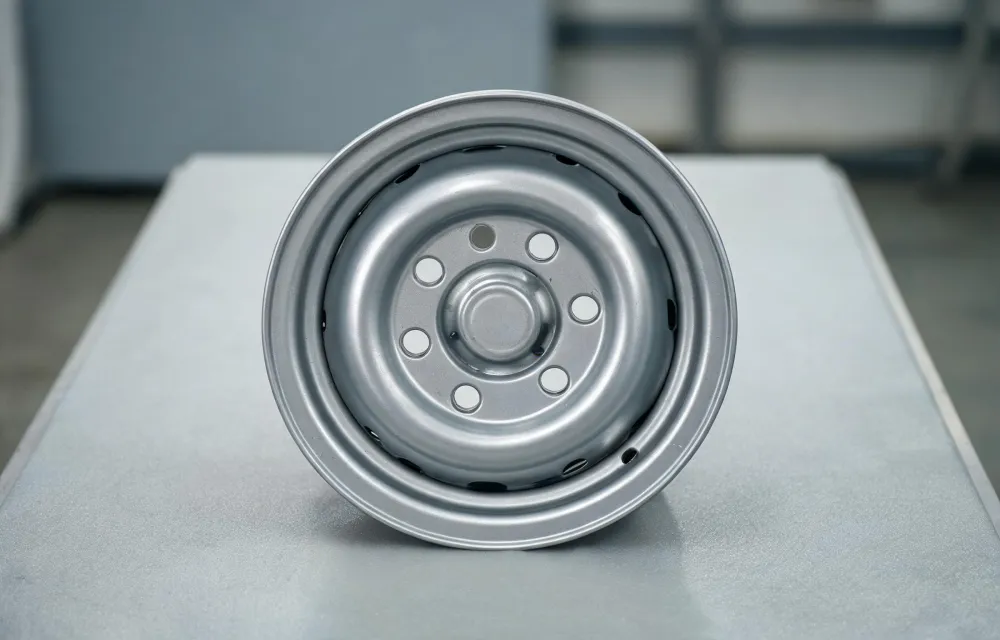
01 / Catalog path
Find your wheel reference
Compare the mounting face and rim profile with the markings on your current wheel.
Open catalogBuyer worksheet · commercial vehicle wheels
Turn a wheel marking or fitment drawing into an RFQ suppliers can price on the same terms.
Compare the mounting face and rim profile with the markings on your current wheel.
Open catalog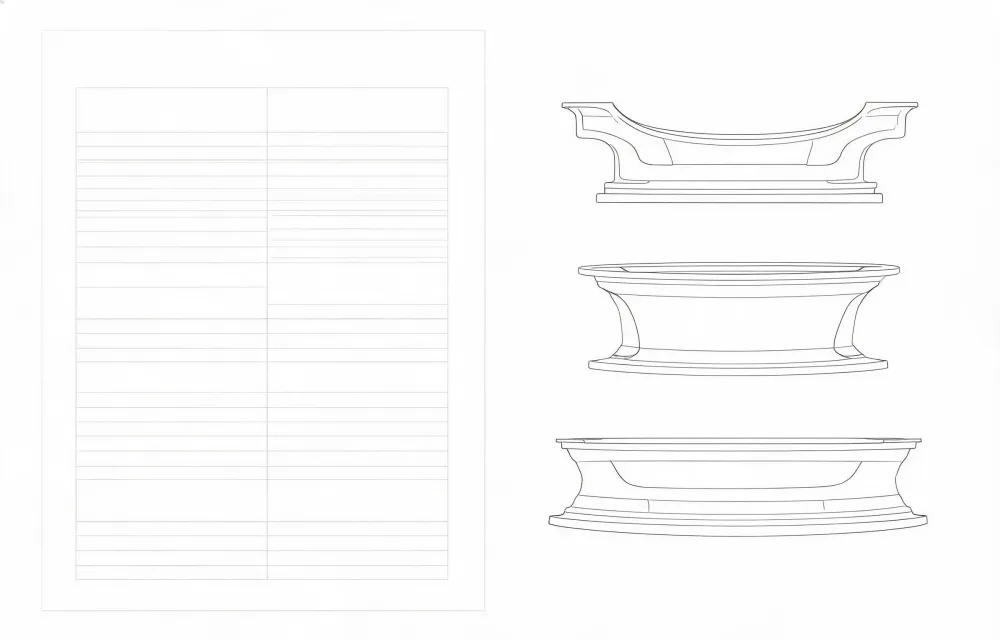
Include the dimensions you can verify and flag anything that still needs a drawing or supplier confirmation.
Fitment worksheet
Record the wheel marking, axle position, mounting type, rim diameter and width. If dual-mounted, record the current tire size and the spacing requirement.
Use millimeters for PCD, center bore and ET. Confirm the offset sign convention, lug seat and brake envelope on a drawing before sending it for quotes.
Record required wheel load rating and runout method. For sample runout, record the rim marking, agreed fixture and mounting datum, then compare radial and lateral readings at the specified locations with the drawing limits. If a report is needed, ask for its test method, tested model, revision and target market.
Separate sample and production quantities by size. Ask for the named Incoterm location, packing count, lead-time trigger and any charges excluded from the price.
Decisions to make
Compare quoted load rating, wheel mass, corrosion exposure and replacement availability on the same fitment. Request wheel mass in kg at the same load rating and wheel dimensions. Include compatible fasteners and valve position in the review because changing material can also change the installation scope.
Stock can work when the existing drawing, coating and rim markings meet the brief. A custom order can resolve a clearance or finish requirement, but adds tooling and sample approval. Price those separately before comparing per-wheel costs.
Pause the comparison and record which dimension or revision differs. Ask for a corrected drawing and a sample marked to that revision. Release the purchase only after the responsible buyer confirms the fitment decision.